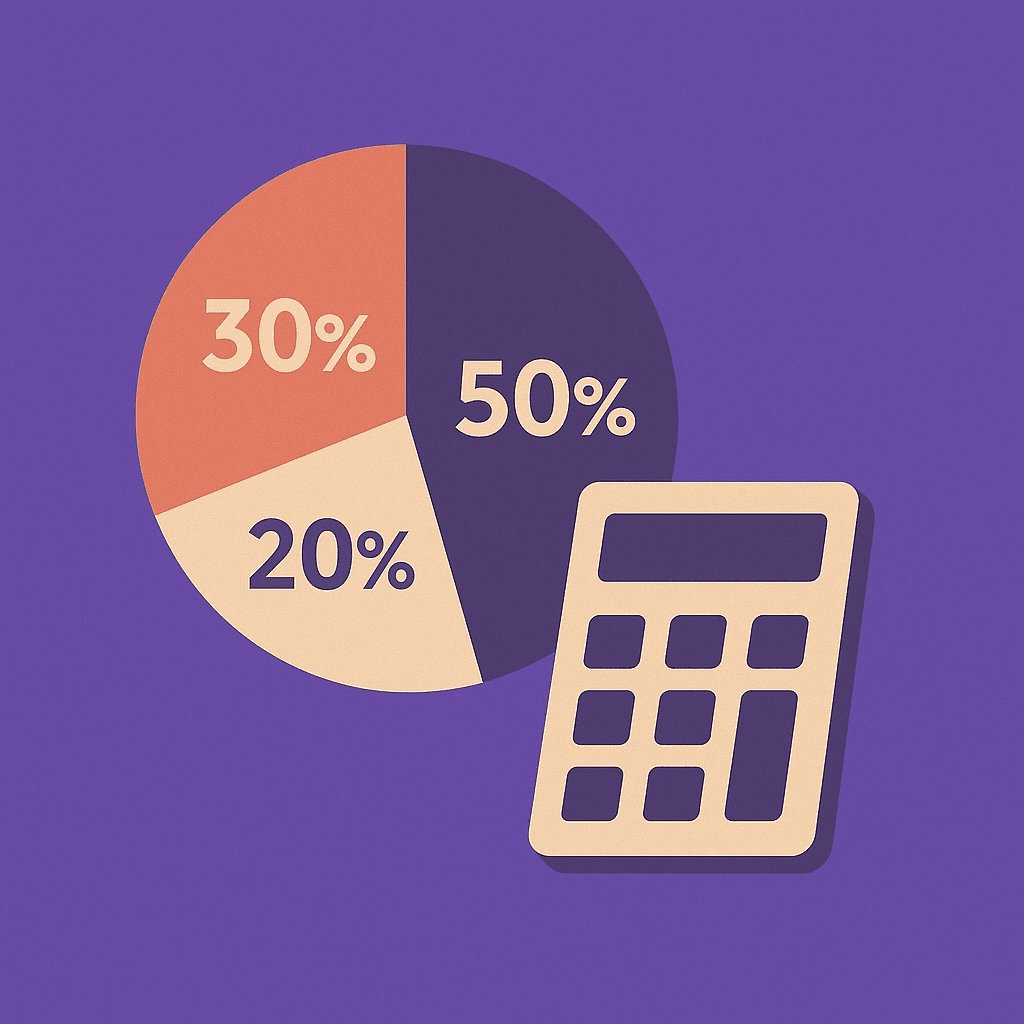
"50/30/20": probabilmente ne hai già sentito parlare sui social o nelle conversazioni: questa celebre regola di budget promette di aiutarti a gestire il denaro senza mal di testa. Ma in un mondo dove l'inflazione erode il potere d'acquisto ogni mese, questo vecchio principio regge ancora? Si può davvero bilanciare il proprio budget con 50% per i bisogni, 30% per i desideri e 20% per il risparmio quando tutto sembra costare di più?
Sono domande legittime a cui proveremo a rispondere analizzando questo metodo semplice, non sempre facile da applicare. Anticipazione: è un buon punto di partenza, ma come ogni ricetta, a volte bisogna correggere gli ingredienti. Pronto a vederci più chiaro e a riprendere il controllo del portafoglio? Iniziamo.
Come funziona davvero la regola del 50/30/20?
Prima di addentrarci nei dibattiti sulla sua efficacia, torniamo alle basi. Il metodo 50/30/20 è un principio semplice: dividere il proprio reddito netto mensile in tre grandi comparti.
50% per i bisogni essenziali
Qui parliamo di ciò che è assolutamente necessario: l'affitto, le bollette della luce, la spesa alimentare, i trasporti, le rate dei prestiti... In pratica, tutto ciò che va pagato comunque per garantire la propria sopravvivenza e stabilità. L'idea è che queste spese non superino la metà del reddito. Sembra logico, ma in pratica non è sempre semplice, specialmente con gli affitti alle stelle.
20% per il risparmio (senza stress)
Questa quota è dedicata alla sicurezza finanziaria: mettere da parte denaro con regolarità, che sia per un fondo di emergenza, un progetto futuro o la pensione. Non serve essere un esperto per iniziare: basta un semplice bonifico automatico verso un conto di risparmio. L'obiettivo? Creare una riserva che protegga dagli imprevisti.
30% per i desideri (libertà controllata)
Infine, questa categoria è la ricompensa. Le uscite, i viaggi, i piccoli piaceri che danno sapore alla vita. Non si tratta di sacrificare tutto, anche con un budget ristretto. L'equilibrio significa anche potersi concedere qualcosa senza sensi di colpa.
La verità dietro la regola: vantaggi e limiti
Il metodo 50/30/20 piace per la sua semplicità, e a ragione: offre un quadro chiaro, facile da ricordare, che rassicura chi non sa da dove iniziare. Ma come ogni quadro, non è scolpito nella pietra, soprattutto di fronte a realtà economiche che possono sconvolgere le nostre abitudini.
Perché rassicura e aiuta a strutturare un budget
Per molti, la regola funziona come un faro nella notte finanziaria. Permette di vederci più chiaro, di fissare confini semplici per le spese e, soprattutto, di non dimenticare il risparmio, quella famosa rete di sicurezza spesso trascurata. È un ottimo punto di partenza, specialmente per i giovani professionisti o per chi scopre la gestione del budget.
Le difficoltà con redditi bassi e zone ad alto costo della vita
D'altro canto, quando si guadagna poco, o si vive in una città dove il costo della vita è alto, la soglia del 50% per le spese fisse viene raggiunta rapidamente, se non superata. Questo riduce meccanicamente la quota dedicata ai desideri, o persino al risparmio, e può rapidamente diventare fonte di stress o frustrazione.
L'impatto dell'aumento dei prezzi sulla ripartizione ideale
Prezzi dell'energia, alimentari, casa... tendono a salire più in fretta degli stipendi. Risultato: il budget dei "bisogni essenziali" pesa sempre di più, a scapito delle altre voci. Diventa quindi cruciale adattare la regola, senza mettersi inutilmente sotto pressione.
Adattare la regola alla propria realtà (con un esempio concreto)
Per illustrare come il metodo 50/30/20 possa adattarsi alla vita di ciascuno, incontriamo Emma e Hugo, una giovane coppia che ha appena acquistato il primo appartamento e sta andando a vivere insieme.
Emma lavora nella comunicazione, Hugo è un tecnico di manutenzione. Insieme guadagnano un reddito nella media, ma vivono in una grande città dove affitto e spese fisse sono alti.
Il caso di Emma e Hugo, giovani primi acquirenti
A prima vista, il loro budget sembra un vero rompicapo: affitto e spese fisse assorbono già più del 50% del reddito. Hanno anche alcuni prestiti in corso, in particolare per l'acquisto dell'appartamento. Eppure vogliono sia costruire un risparmio solido sia godersi uscite o piccole vacanze senza privarsi di nulla.
Invece di seguire ciecamente la rigida regola del 50/30/20, decidono di adattare le percentuali alla propria situazione:
- 60% per le spese fisse e le rate dei prestiti
- 15% per il risparmio (automatizzando un bonifico ogni mese, anche piccolo)
- 25% per i desideri e lo svago (privilegiando attività a basso costo)
Questa ripartizione personalizzata permette loro di mantenere l'equilibrio senza sensi di colpa. Tengono d'occhio le spese fisse per cercare di ridurre questa voce (ad esempio: cambiando fornitore di energia, ottimizzando le assicurazioni), e adeguano regolarmente il risparmio quando possibile.
Consigli pratici per correggere il tiro senza sensi di colpa
- Iniziare in piccolo, ma iniziare: anche il 10 o il 15% di risparmio è meglio di niente. L'importante è la costanza.
- Rivedere le spese fisse: a volte abbonamenti dimenticati o bollette gonfiate appesantiscono il budget. Un controllo rapido può fare bene.
- Concedersi piaceri controllati: un budget "desideri" troppo rigido può diventare rapidamente frustrante e far saltare tutto il resto.
- Ricordare che la regola è una guida, non una legge: adattala alla propria situazione, senza pressione.
Conclusione: 50/30/20, sì, ma soprattutto adattabile al proprio reddito
La regola del 50/30/20 è un ottimo punto di partenza per organizzare il proprio budget. Ma attenzione, non è una formula magica scolpita nella pietra. In realtà, questa regola evolve con la propria situazione finanziaria; non è pensata per applicarsi in modo identico a tutti.
Ad esempio, se il reddito è modesto, è comune che le spese fisse superino ampiamente il 50%: si parla allora piuttosto di ripartizioni come 70% per i bisogni essenziali, 20% per il risparmio (o anche meno), e solo il 10% per i desideri. Può sembrare frustrante, ma l'essenziale è mettere in sicurezza il necessario per primo.
Al contrario, per chi guadagna comodamente, le spese fisse possono pesare molto meno: si può allora immaginare una ripartizione come 40% per i bisogni, 20% per il risparmio, e... 40% per i desideri. Questo lascia più spazio per godersela, investire nelle proprie passioni, o persino accelerare la costruzione di un capitale.
La parola chiave qui è adattamento. La vera vittoria è trovare un equilibrio che funzioni per te, non raggiungere una percentuale precisa a ogni costo. La regola del 50/30/20 è una bussola, non un regolamento rigido.
L'idea è darti una visione chiara delle tue spese, mettere in sicurezza la tua capacità di risparmio e, soprattutto, non vietarti i piaceri che rendono la vita piacevole. Non è sempre facile, ma con un po' di flessibilità e ascoltando la propria realtà, è possibile.
E non dimenticare: la tua ripartizione ideale può cambiare nel tempo, al ritmo dei progetti, degli imprevisti e delle variazioni del reddito. L'importante è continuare a dirigersi verso una gestione del denaro sana e serena.